Picture this: You sit down to watch a movie. The first shot opens on a deserted train track. The wind rustles the grass. A minute passes. Then two. No one speaks. No explosions rock the screen. The camera barely moves.
Your instinct might be to reach for your phone, check your notifications, or wonder if the playback is broken.
But if you stay? If you let your breathing match the rhythm of the screen? You might just experience the quiet magic of Slow Cinema.
What Exactly is Slow Cinema?
Slow cinema (sometimes called contemplative cinema) is a genre that intentionally rejects the frantic pacing of mainstream Hollywood. While the average Marvel movie cuts to a new camera angle every 2 to 3 seconds, a slow cinema film might hold a single, unbroken shot for 5, 10, or even 20 minutes.
It’s defined by:
Minimalist plots: Big narrative twists take a backseat to daily routines and quiet moments.
Long takes: The camera lingers, forcing you to look at the details.
Emphasis on space and time: The environment becomes as much of a character as the actors.
Silence and ambient sound: Instead of a booming orchestral score, you hear the hum of a refrigerator or the distant bark of a dog.
The Masters of the Craft
If you want to dip your toes into these tranquil waters, here is a quick cheat sheet of directors who have perfected the art of the long pause:
Andrei Tarkovsky - Stalker (1979) - Hypnotic, poetic sci-fi with philosophical weight.
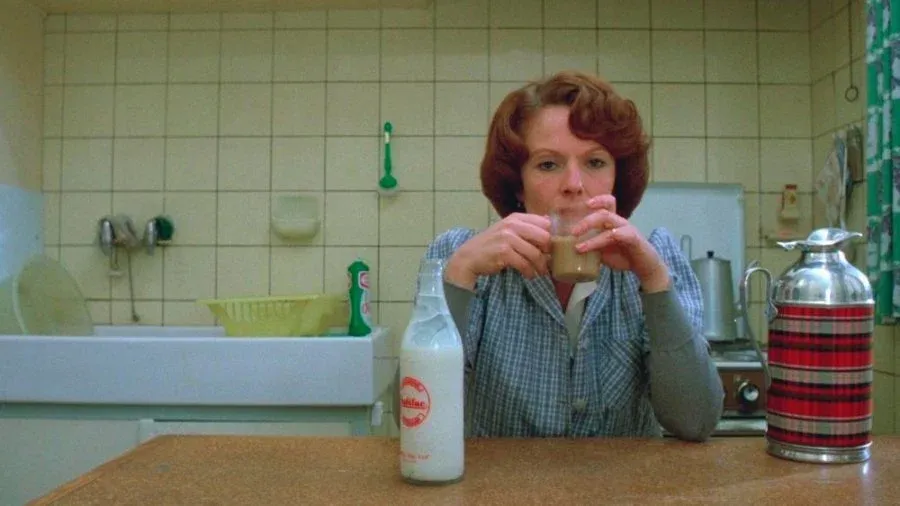
Chantal Akerman - Jeanne Dielman... (1975) - A mesmerizing, claustrophobic look at domestic routine.
Apichatpong Weerasethakul - Uncle Boonmee... (2010) - Dreamlike, mystical journeys through jungles and memories.
Why Should You Watch Something "Boring"?
In a world engineered to hijack our dopamine receptors with 15-second TikToks and rapid-fire push notifications, slow cinema is a radical act of rebellion. Here is why it’s worth your time:
1. It Reclaims Your Attention Span
Slow cinema acts as a digital detox for your brain. It forces you to sit with your thoughts, lowering your heart rate and retraining your mind to focus on one thing for an extended period.
2. You Become an Active Participant
In a traditional blockbuster, the director tells you exactly how to feel at every second with loud music and obvious close-ups. Slow cinema gives you space to breathe. Because the camera doesn't move, you get to choose where to look. You notice the peeling wallpaper, the shifting light, or the subtle micro-expression on an actor's face.
3. It Finds Beauty in the Mundane
There is a strange, meditative beauty in watching someone make a cup of tea or walk down a long road in real-time. These films remind us that life isn't just a series of high-stakes climaxes; it’s mostly lived in the quiet spaces between the action.
"Cinema is a mirror of reality, and reality is not edited." — A common sentiment among contemplative filmmakers.
A Beginner's Survival Guide to Slow Cinema
Ready to take the plunge? Don't just queue up an eight-hour movie on your laptop while multitasking. To truly appreciate it, you need to set the stage:
Put the phone in another room. This is non-negotiable. If you look at your phone, the spell is broken.
Turn off the lights. Treat your living room like a theater to minimize real-world distractions.
Let go of expectations. Stop waiting for the plot to "start." The atmosphere is the plot.
Embrace the boredom. It’s okay if your mind wanders at first. Let it wander, then gently bring your attention back to the screen.
Slow cinema isn't about passive entertainment; it's about active looking. It asks for your patience, and in return, it gives you a sense of peace that is increasingly hard to find in the modern world.
What’s your take? Have you ever watched a film that forced you to slow down, or do you prefer your movies with a bit more adrenaline? Let’s chat in the comments!