For decades, the global perception of Indian cinema has been neatly packaged into a single word: Bollywood. It's an industry built on absolute spectacle—three-hour emotional rollercoasters, gravity-defying action sequences, and meticulously choreographed musical numbers.
But if you look away from the multi-crore blockbusters, there is a quiet, fiercely stubborn revolution happening in the shadows. Indian Independent (Indie) Cinema is not just a genre; it is a counter-culture. It replaces the star-driven, escapist formulas of mainstream studios with raw, urgent, and deeply intimate human truths.
What Makes a Film "Indie" in India?
In Western markets, an independent film is primarily defined by its financial structure (produced outside the major Hollywood studio system). In India, "indie" is as much a state of mind as it is a budget constraint.
Mainstream Indian cinema often aims for a universal, pan-Indian compromise—a blend of elements meant to satisfy a family audience from Mumbai to Munich. Indian indie filmmakers, by contrast, find strength in hyper-localization. They explore the messy, uncomfortable realities of modern India: the deep fissures of the caste system, the claustrophobia of conservative families, gender identity, regional political corruption, and the sheer existential loneliness of urban life.
The Pioneers and the Changing of the Guard
The roots of Indian indie cinema run deep into the Parallel Cinema movement of the 1950s and 60s, led by legendary auteurs like Satyajit Ray, Mrinal Sen, and Ritwik Ghatak. However, today's independent landscape looks completely different, propelled by democratization in technology and unprecedented global recognition.
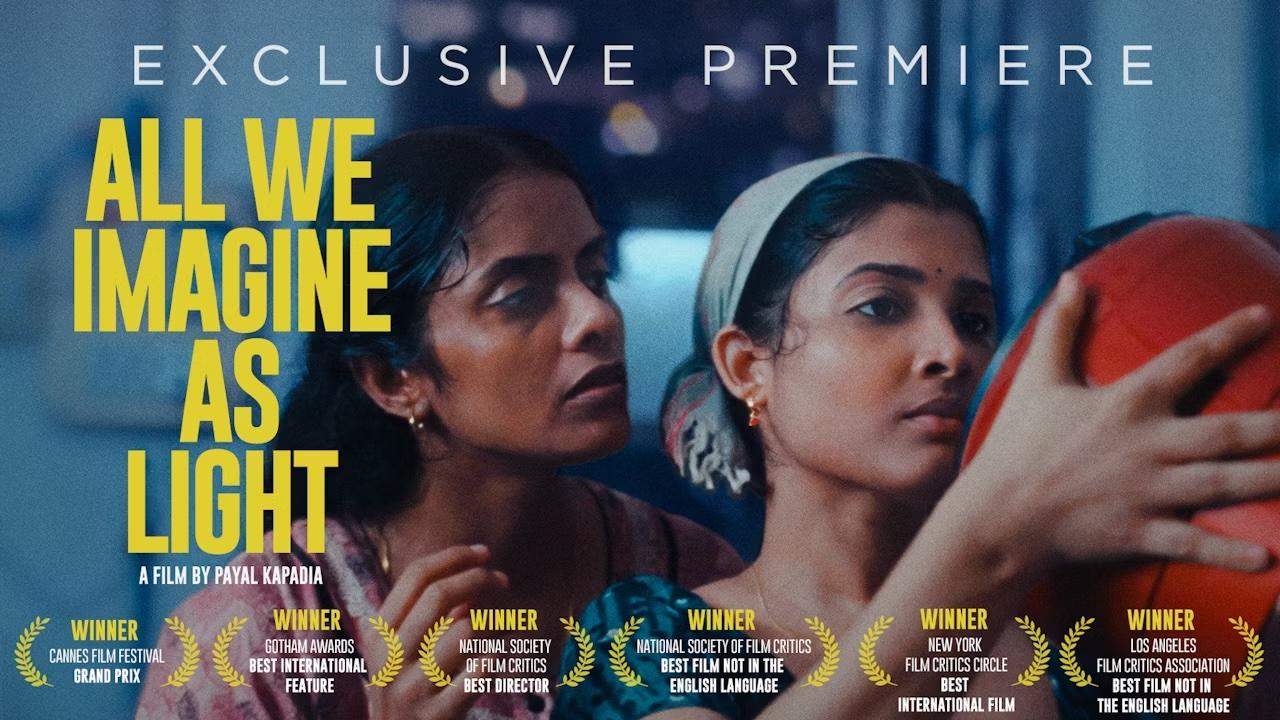
A striking example of this evolution is filmmaker Payal Kapadia. Her poetic storytelling style entered global spaces with zero compromise on her political and creative identity.
Her 2021 feature documentary, A Night of Knowing Nothing, won the prestigious Golden Eye Award for Best Documentary at the Cannes Film Festival.
By the mid-2020s, her steady climb to international acclaim cemented a profound truth: a film doesn't need slick, studio-mandated gloss to shake the world. It needs an authentic pulse.
Other modern landmarks like Chaitanya Tamhane’s Court (a razor-sharp critique of the Indian legal system), Neeraj Ghaywan’s Masaan, and Amit Masurkar’s Newton have proven that independent voices are the ones truly doing the heavy lifting of artistic reinvention.
The Great Dilemma: The Post-Streaming Reality
A few years ago, the rise of Over-The-Top (OTT) streaming platforms like Netflix, Amazon Prime, and regional players felt like the promised land for independent storytellers. Finally, creators had a way to completely bypass the traditional theatrical gatekeepers who refused to allocate screens to films without massive stars.
Fighting Back: The Future is Community-Driven
Despite the distribution bottlenecks, independent filmmakers are incredibly resourceful. If the traditional structures won't hold the door open, the indie community builds its own doors.
Crowdfunding as a Lifeline: Platforms like Wishberry and Ketto have turned audiences into co-producers. Films are being funded directly by the people who want to see them exist, breaking free of commercial producer biases.
Smartphone and Micro-Budget Filmmaking: Armed with standard 4K smartphones, pocket-sized gimbals, and accessible digital editing suites, young filmmakers are shooting entire feature films for less than the cost of a mainstream movie’s wardrobe budget.
The Festival Ecosystem: International and domestic film festivals (like MAMI in Mumbai or IFFK in Kerala) remain the holy sanctuaries for indie cinema, providing the critical word-of-mouth oxygen these films need to survive.
Here are 5 essential modern Indian indie films you should add to your watchlist immediately.